
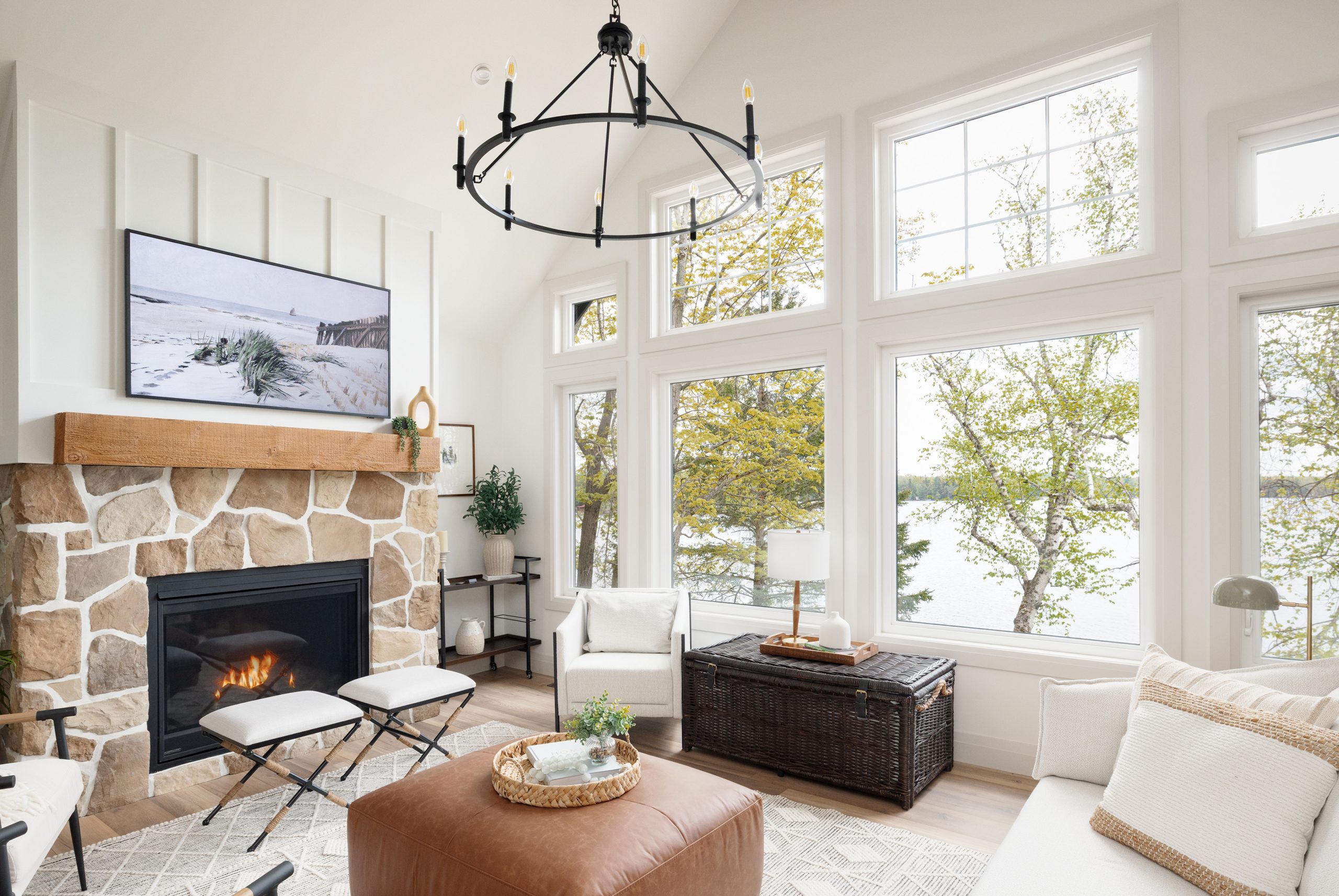
For years now, less is more has been the mantra in home design. And while minimalism still prevails, it’s evolving, warming up, gaining texture and becoming more expressive in 2026 and beyond.
At the same time, budgetconscious and internetsavvy homeowners are demanding faster turnarounds and instant availability, creating new pressures on contractors and influencing the kinds of mouldings that make their way into their abodes.
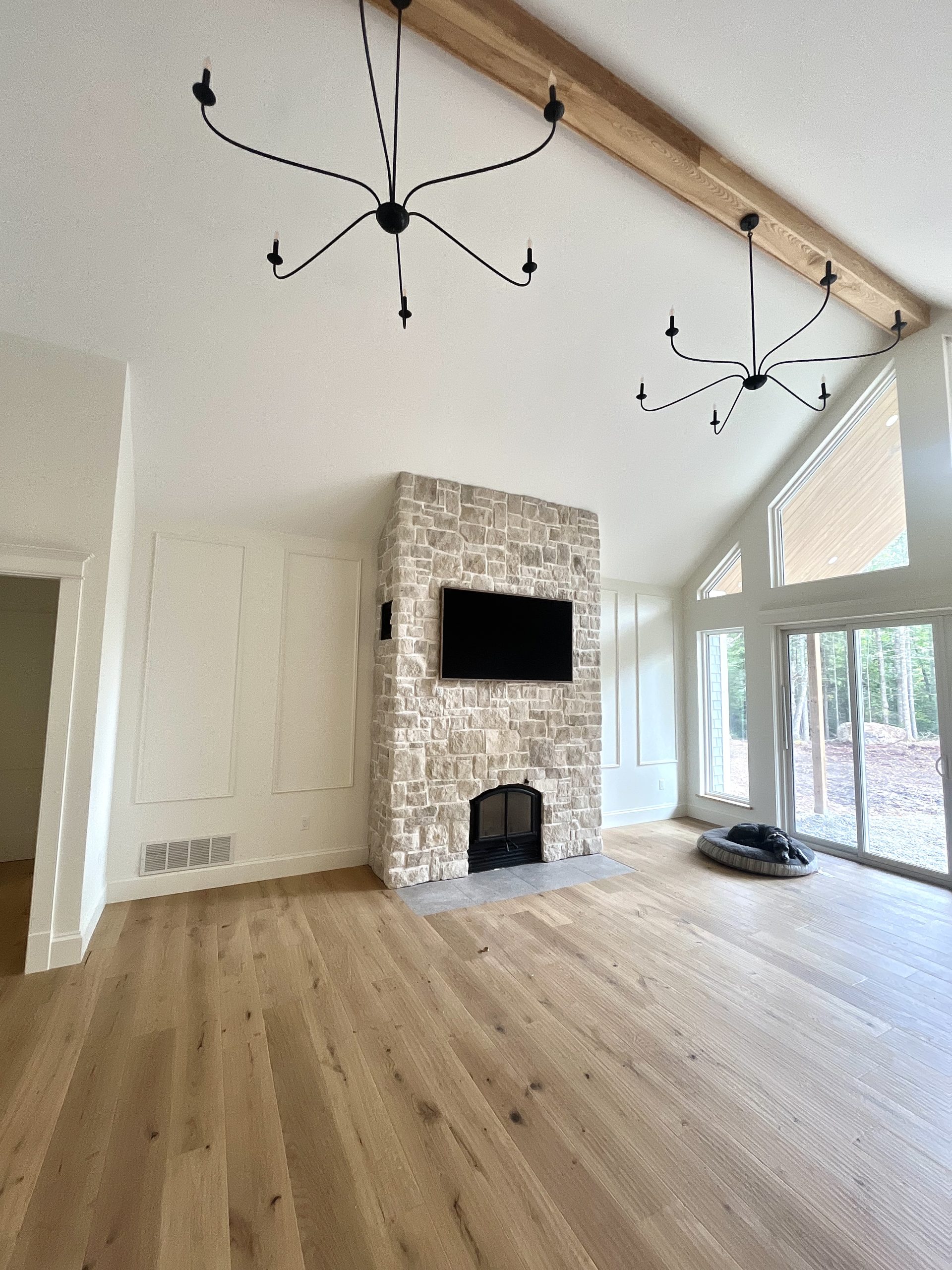
Photo courtesy of Moulding Warehouse
“We are seeing much of the same interest in what designers are now calling ‘modern heritage’ stylings,” says Courtney MacKay, Co-Owner of Moulding Warehouse. “People are really leaning into bringing character into their homes. The grey, plain, minimalism is out, and the warm curated fine details are in.”
This drive to inject personality through mouldings is an observation echoed by her industry peers. Nicole Rocheleau, Vice-President of Marketing at Metrie, notes how warm minimalism continues to lead the trends, with emphasis on natural textures, warmer wood tones and simplified millwork details. “The all-white, ultra-minimal aesthetic has largely plateaued, while richer colour palettes, mixed materials and more personalized interiors are gaining momentum.”
David Stojni, Vice-President of Sales at Alexandria Moulding, notes a similar pattern, with flat profiles still dominating nationally and a modest but steady preference for Colonial and Bevel designs in Eastern Canada.
Michael Bergman, Director of Moulding at Taiga Building Products, says evidence suggests that while minimalism continues to loom large for homeowners and builders, a gradual transition towards spaces with more character is around the corner.
“Right now, the big focus is still on minimalist profiles, but the trend that I believe we’re going to see in the coming years is a shift back to more layers, more profiles and thicker profiles,” he explains. “You can see it even outside of the millwork category in home designs where there’s more texture and more layering. Just look at today’s living rooms, they have more colour and are a bit denser regarding texture and layers.”
He suggests this could signal a return to more casings with integrated back bands, crown mouldings, architraves and window buildouts and decorative mouldings. It’s a trend MacKay says Moulding Warehouse is already seeing among its customers, who are increasingly asking for panel mouldings, wainscotting, crown and other fine details.
Arches, she adds, are making a comeback. “Everyone wants arches. Arches and curves have completely replaced the stark straight lines of the 2010s. Arched doorways, arched trimmed windows, arched doors. They’re striking and beautiful.”
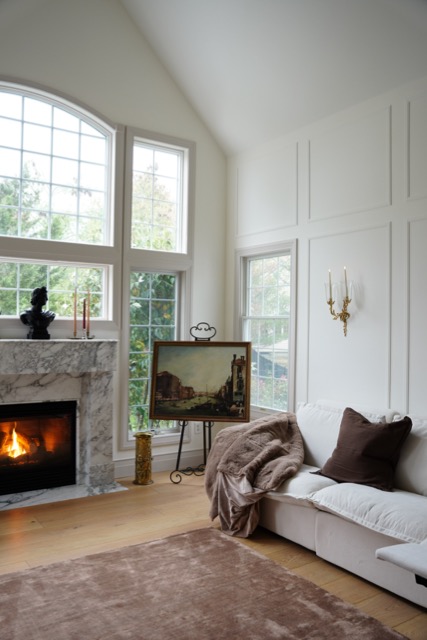
Photo courtesy of Metrie
Size Matters: Larger Profiles = Bigger Presence
One of those details, MacKay suggests, is the increasingly popular application of larger baseboards to add a custom flair and the illusion of higher ceilings. “Crown goes hand in hand with this, adding ceiling height as well and more character to the room.” She adds that some go a step further when they have tall ceilings already, adding a panel mould application around the perimeter under the crown for a Parisian style.
These approaches deliver the modern simplicity homeowners want while adding greater visual weight. Homeowners still want clean lines and visual impact, but without ornate detailing, Rocheleau adds: “Taller baseboards, wider flat stock casings and square-edge profiles remain the dominant choice in both new construction and renovation projects.”
“Flats right now are selling more than they ever have,” confirms Taiga’s Bergman, noting that this has a lot to do with increased homeowner comfort taking on moulding work as a DIY job.
Alexandria’s recent Step Bevel profiles and reversible shiplap offerings have also been well received, Stojni notes, reflecting demand for simple profiles with a bit more presence.
Adding Colour and Character to the Room
Both MacKay and Rocheleau note that complex geometric patterns for accent walls continue to decline in popularity, replaced by slat walls, fluted textures, integrated built-ins, and mixed materials.
Feature walls, Bergman adds, are where we should expect to see texture, layering and colour pops intensify. “You’ll see more colour pop come in there; moving away from a base white shiplap or treatment, with people reflecting some of the tones they want to get a little bit of that pop in a room.”
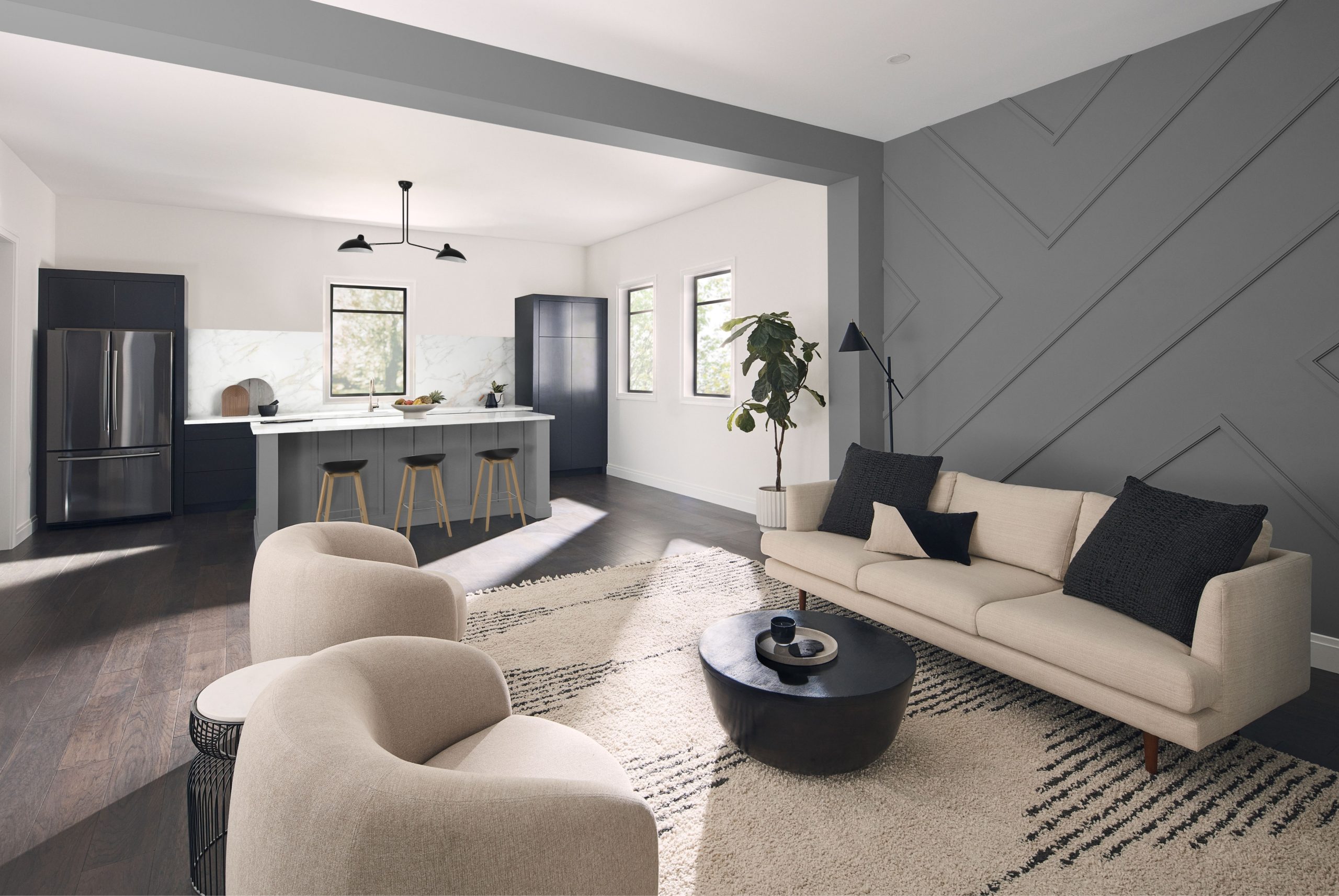
Photo courtesy of Metrie
Colour drenching has moved firmly into the mainstream, especially in higher-end residential projects, Rocheleau says. “Designers are increasingly painting walls, trim, ceilings, and millwork the same colour to create a more immersive and cohesive space. While it won’t replace neutral interiors, it’s no longer considered a niche design technique.”
MacKay concurs: “We’ve noticed designers are opting to paint the walls and the trim the same soft colour, using an eggshell or matte on the walls and the same shade in satin for the trim. This looks polished and expensive. Colour drenching is also still alive and well.”
Authenticity is a major influence, says Rocheleau, with warm wood tones like white oak and walnut particularly popular, while natural stone and large-format stone-look surfaces being used to add texture and sophistication.
Balancing Opposing Pressures
The devil is, as they say, in the details, and in few places is that truer than moulding, where precision and accuracy are essential both for a polished final look and to avoid waste.
At the same time, today’s internet-savvy homeowner is more demanding than ever and, following the boom in online shopping, craves a level of instant gratification that places two conflicting demands on millwork contractors: quality work, finished with previously unmet alacrity.
It’s a delicate balance, Bergman explains: “People want things done faster, but moulding isn’t something you can rush. If you don’t take the time to measure properly, to cut properly, to install properly, you’re going to have callbacks. You’re going to have gaps. You’re going to have issues.”
He stresses that the pressure to deliver speed must never override the fundamentals: careful planning, accurate cuts, and the patience to get the details right the first time. While contractors may not always be able to accelerate the work, having a reliable manufacturer and supplier can help ensure the job starts promptly.
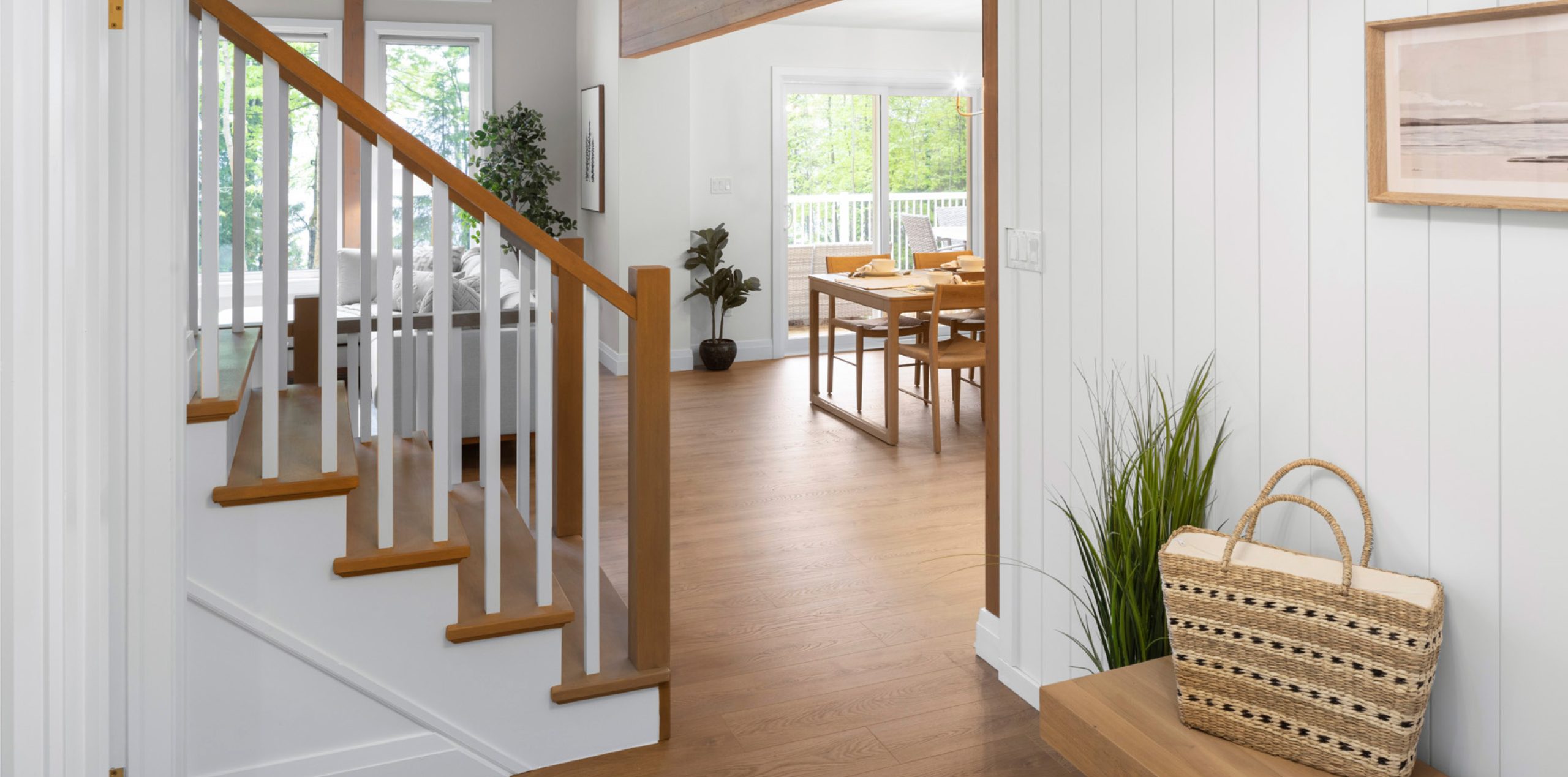
Photo courtesy of Alexandria Moulding
Tariffs, Affordability and Cost
The pressures to act fast and maintain exceptional quality aren’t the only ones that millwork contractors and the homeowners they serve must balance. Even as interest in more engaging and larger profiles grows, financial constraints, tariffs and wavering consumer confidence remain a deciding factor in what gets purchased.
“All categories are being impacted by the uncertainty, trade tensions, inflationary pressures, interest rates and general slowness of the markets in Ontario and BC particularly,” Stojni says, adding that, “The Prairies, Maritimes and Quebec have been more stable.”
He notes that MDF is the substrate of choice across Canada, despite some price pressure caused by resin and transportation cost increases. “Hardwood tariffs have largely been mitigated by manufacturing in Canada versus sourcing from the U.S.”
MacKay says she’s seeing demand for rich, stainable wood trim, such as stained box beams on ceilings, wood casings and built-ins, with poplar and birch as the most popular wood choices due to cost effectiveness.
“Cost pressures and tariffs are encouraging homeowners to place more emphasis on value, availability and overall design outcome rather than material alone,” Rocheleau says. She notes that, from a materials perspective, MDF and finger-joint continues to dominate painted applications, while hardwoods remain desirable for warm, natural finishes.
MDF’s strength, Bergman adds, is based not only on price but also on the growing comfort homeowners have with taking on moulding work as personal DIY projects. For many, its appeal is that it lets them achieve a more sophisticated look without the cost and complexity of hardwoods.
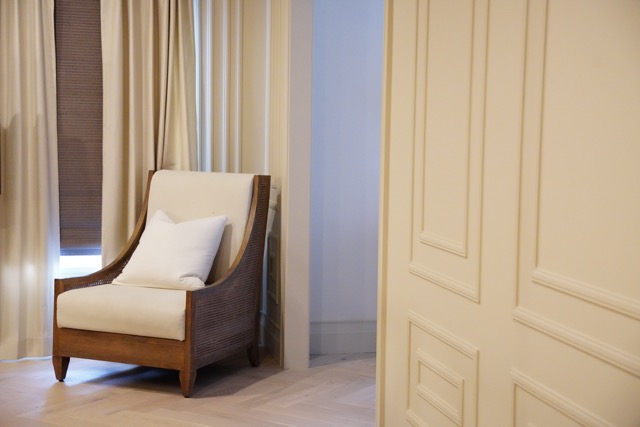
Photo courtesy of Metrie
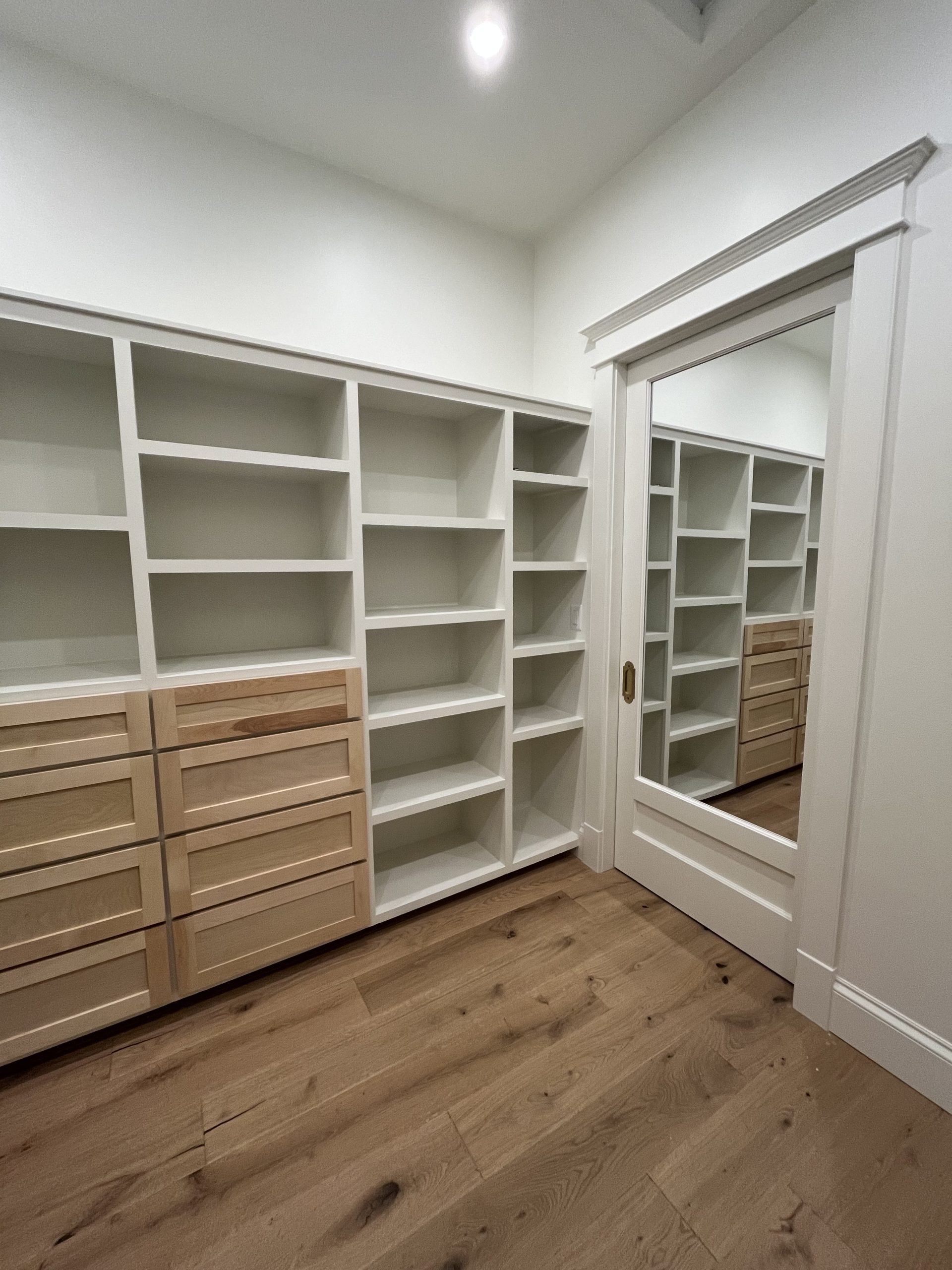
Photo courtesy of Moulding Warehouse