
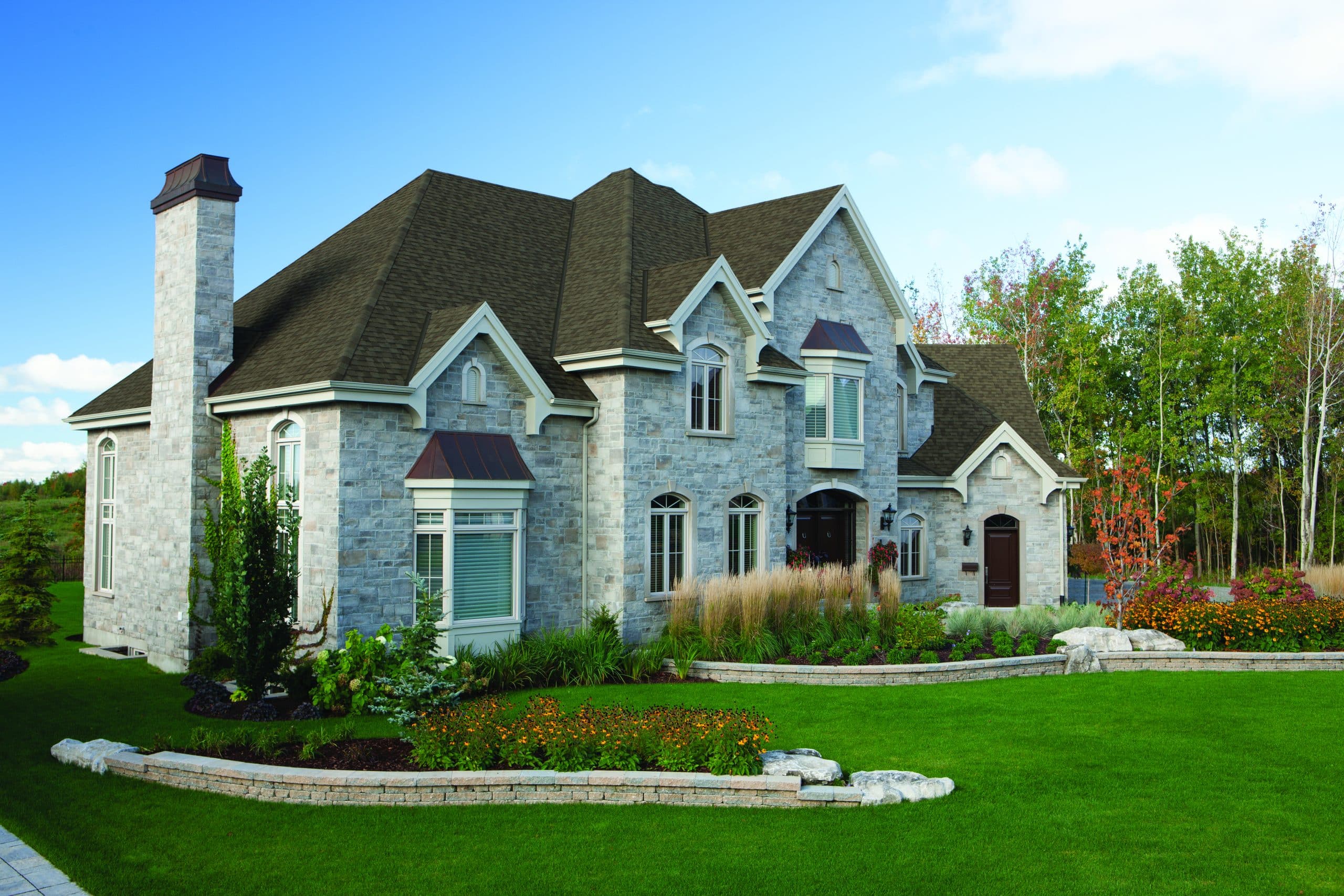
Canada’s aging housing stock may just be the gift that keeps on giving for roofing contractors. After a year of relatively slow new construction, they’re seeing fair haven opportunities in the near universal need for updates, renovations and, unfortunately, repairs driven by increasingly stormy weather.
While roofers can expect some choppy waters, homeowners’ pursuit of performance and longevity, and the almost inevitable replacement timing for roofs installed in the ’90s and early aughts, should help keep them afloat in 2026, even as new home construction remains in lower gear. According to CMHC, while the economy should see a modest uptick this year, housing starts are expected to remain sluggish into 2028 due to high developer costs and weaker demand.
“As the new construction market continues to be in ‘lower gear’ in 2026, residential re-roofing will continue to dominate due to the aging housing stock,” says Yves St Cyr, Vice President of Retail Sales at Saint Gobain, parent company of BP Canada and CertainTeed Roofing.
He adds that builds from 1990 to 2005 are reaching end of life, often driving replacements in some markets. “Canadian renovation spending in 2026 is expected to be flat to modestly down in real terms, but structurally resilient. Renovation demand is no longer universal; it’s selective and region specific.”
Where homeowners are spending, suppliers say the focus is squarely on re-roofing, and on getting it right the first time. Whether they choose asphalt or metal, the priority is performance and longevity.
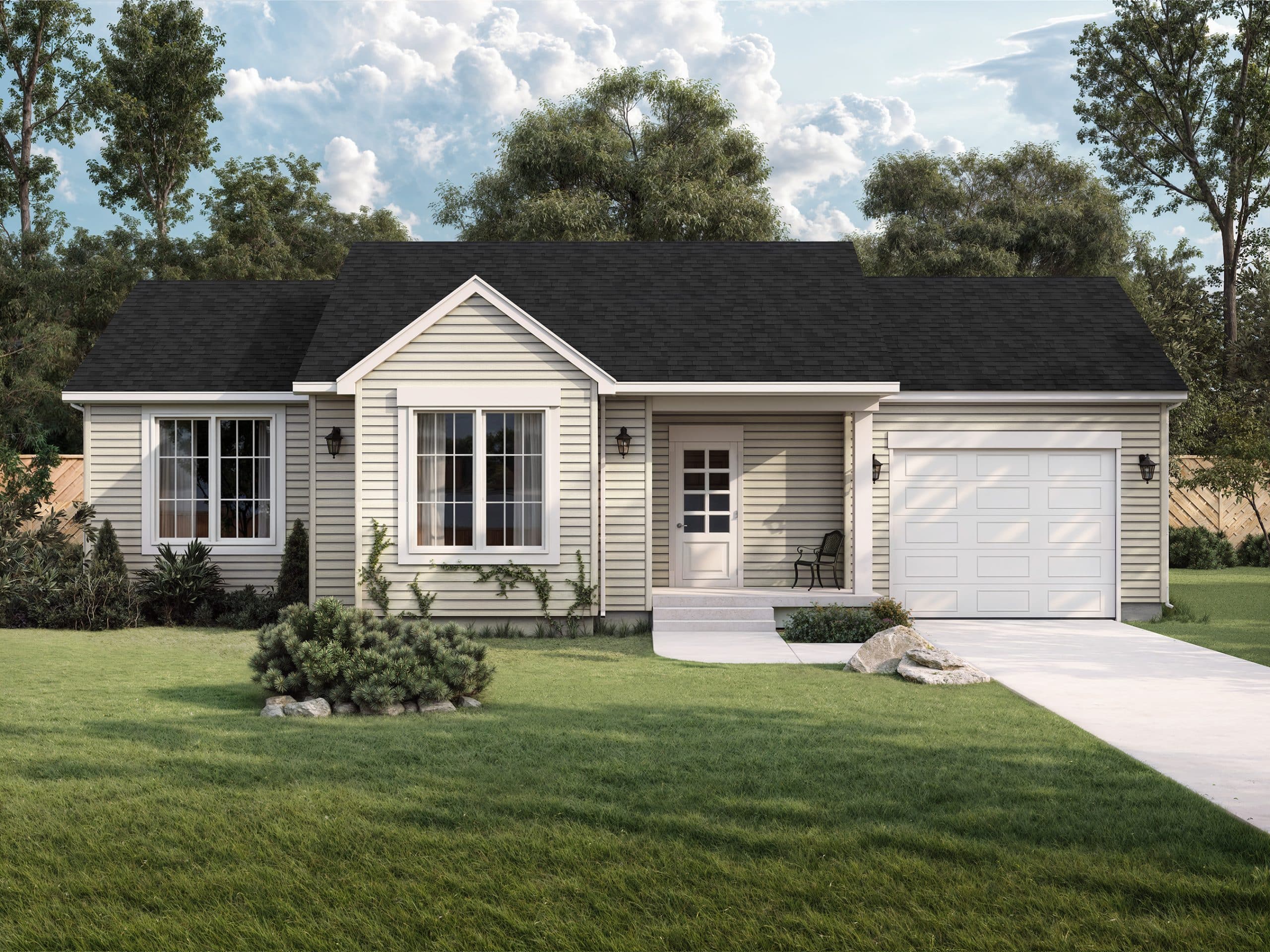
Photo courtesy of BP Canada
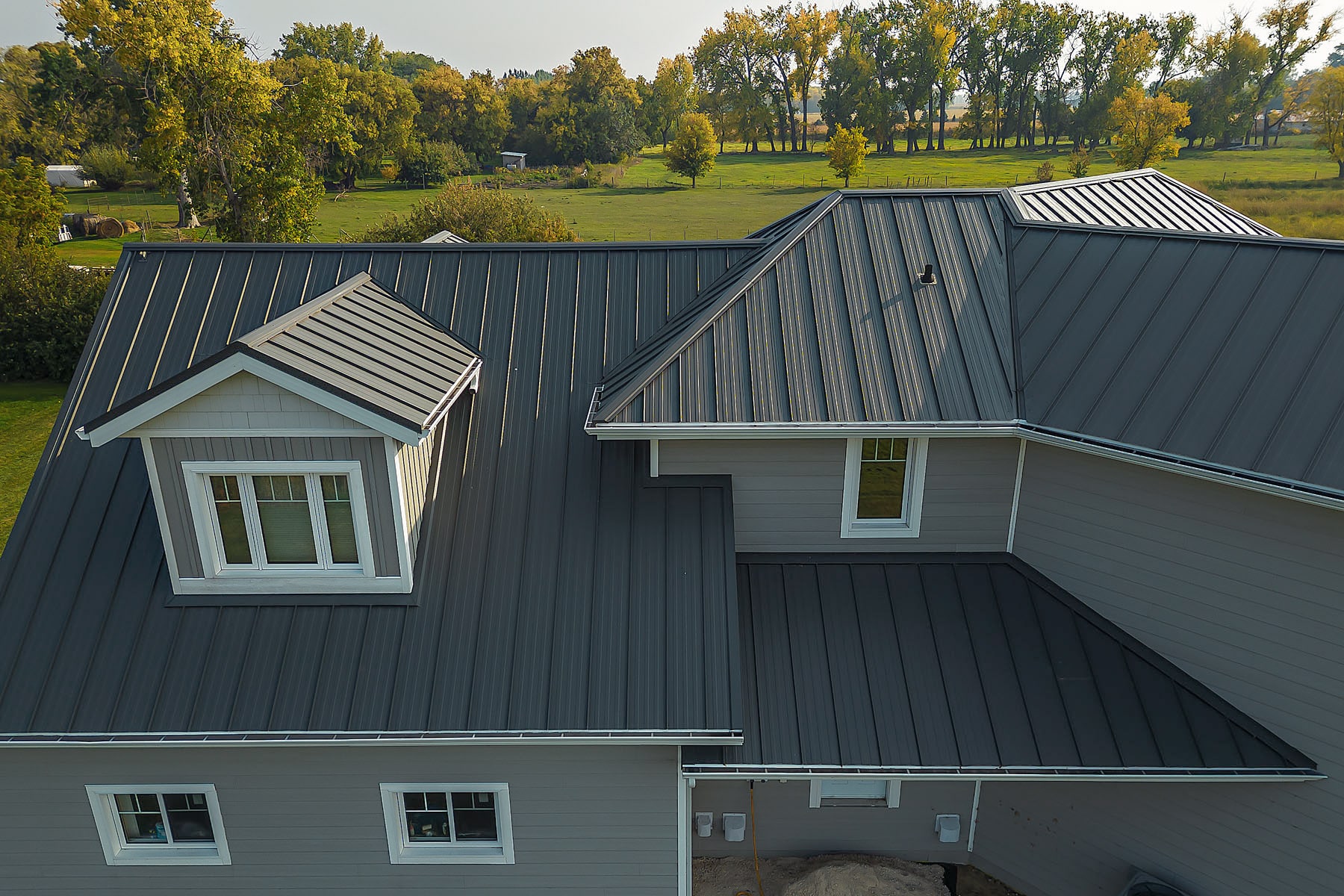
Photo courtesy of Westman Steel
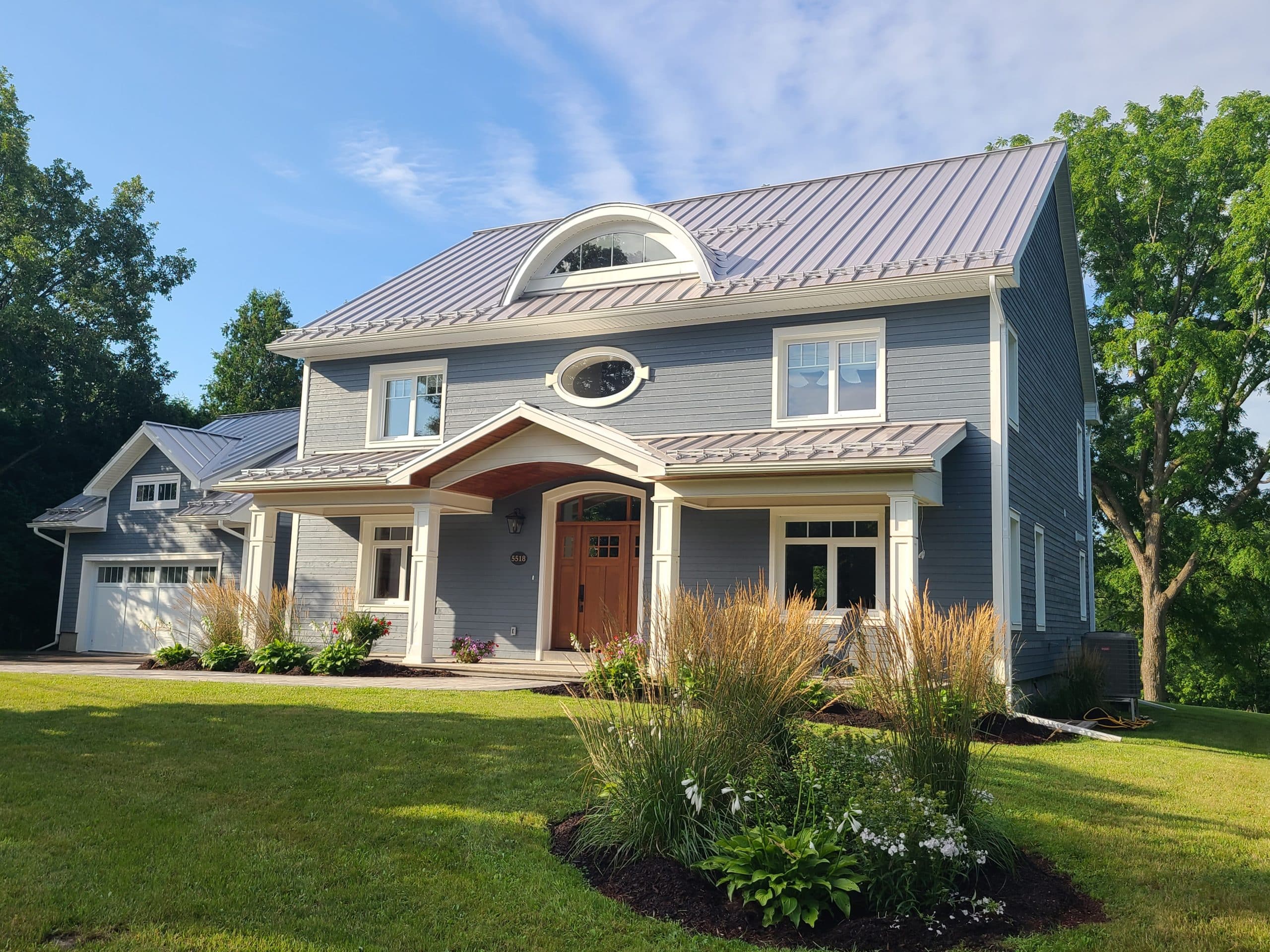
Photo courtesy of Ideal Roofing
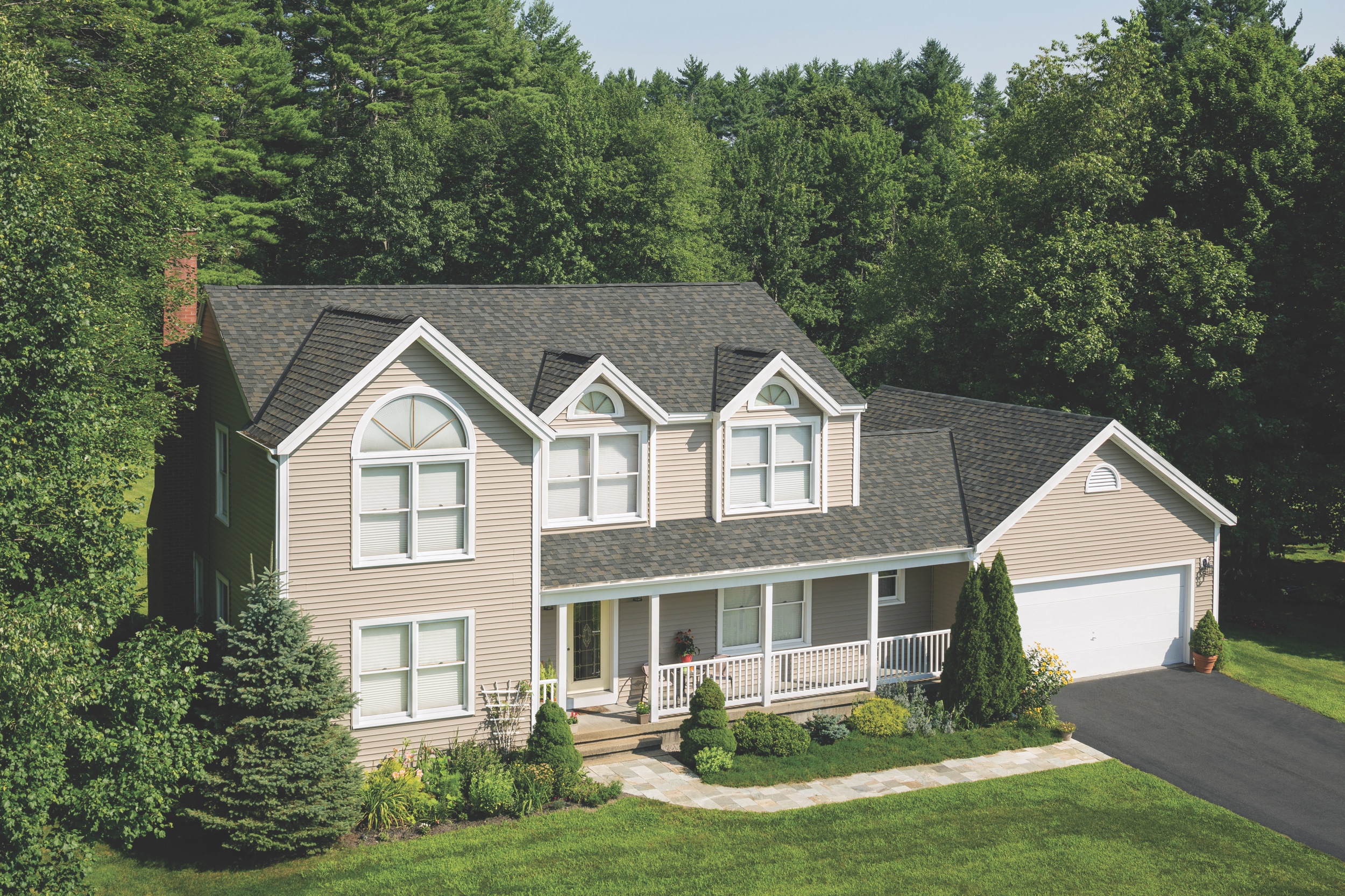
Photo courtesy of
Ideal Roofing’s Ontario Sales Manager, Randal Rocchio, says homeowners are increasingly looking for roofing solutions that will stand the test of time, eliminating the need for replacement in as little as 12 to 15 years. Jack Gottesman, Marketing and Brand Director at IKO North America, agrees, noting that resilience and long-term performance have become essential considerations for today’s buyers. As extreme weather events continue to impact communities across Canada, Greg Gardenits, Director of Sales and Marketing at Westman Steel, adds that homeowners are placing greater emphasis on products engineered to withstand harsher conditions, including severe hailstorms and elevated wildfire risk.
“For a lot of people, they’re building a home or investing in a project they want to last,” Rocchio says. “So, if there’s a slight increase to the upfront cost, but it means they won’t have to redo it in 12 to 15 years, that’s worth it. It saves money in the long run, but it also saves the headache of going through the whole process again. Everyone’s busy, and any renovation, even a roof, is still an inconvenience.”
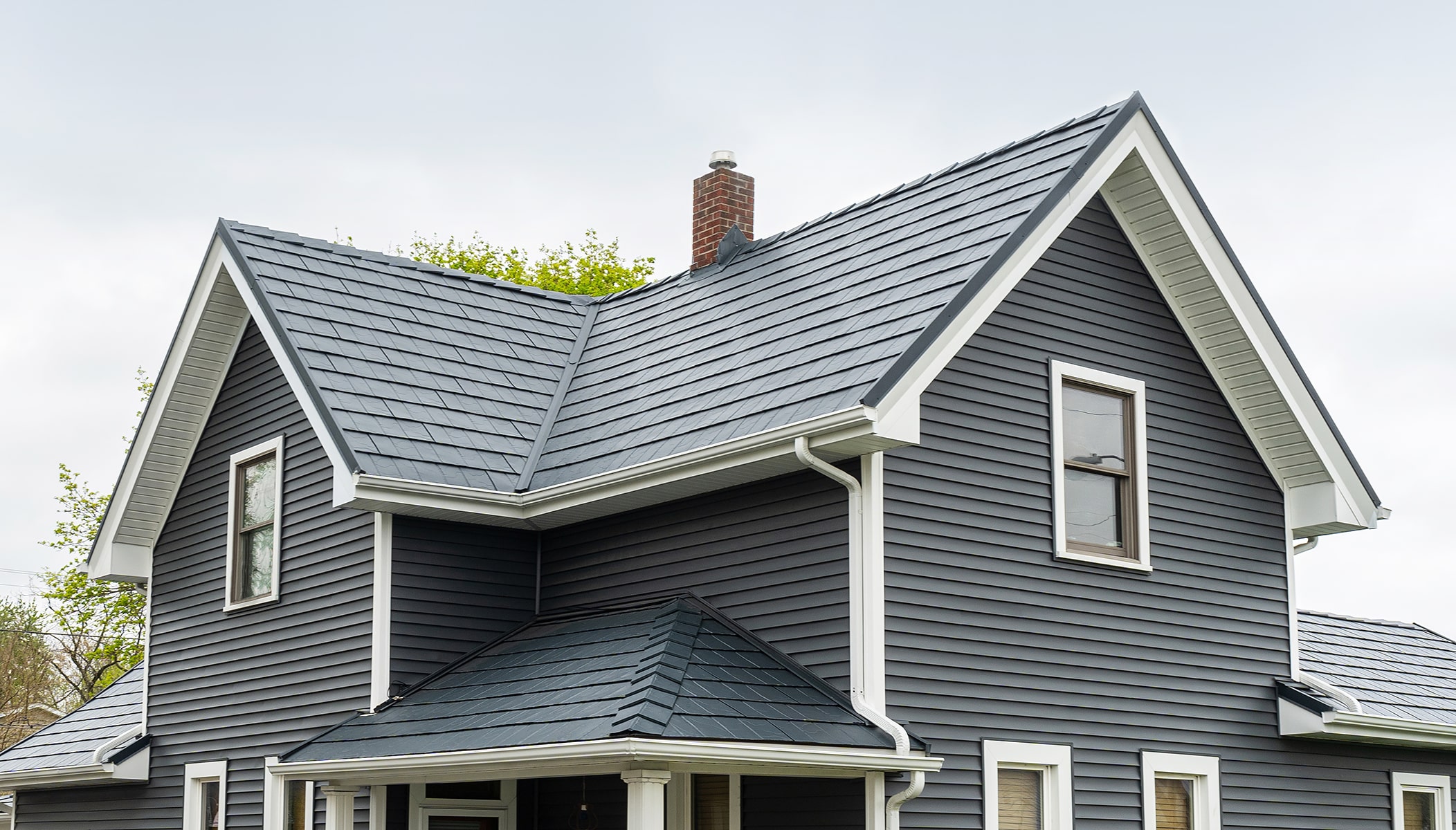
Photo courtesy of Vicwest
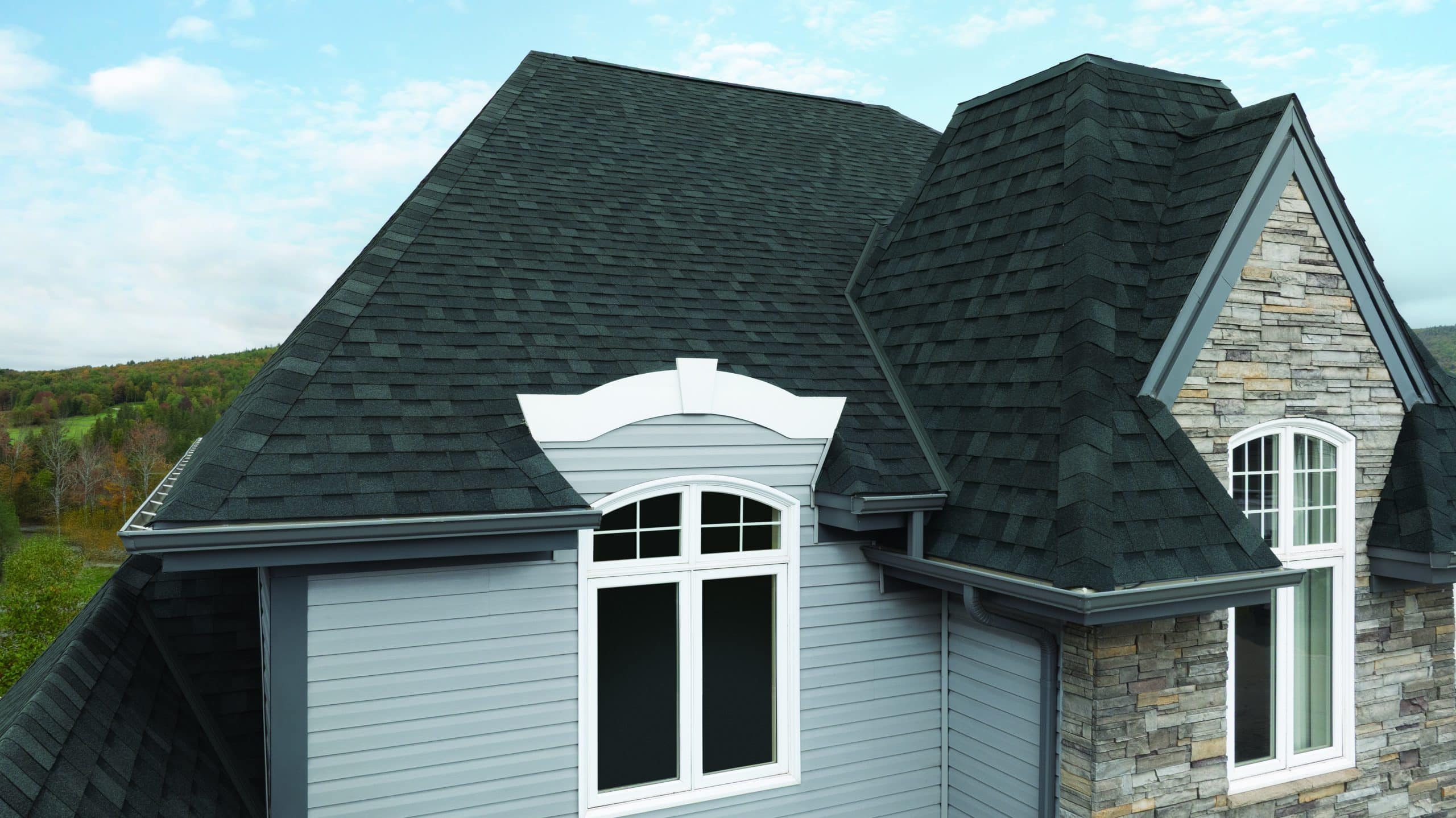
Photo courtesy of IKO North America
Giving the performance of a lifetime
Homeowners are looking for roofs that last, and that can stand up to whatever Mother Nature decides to throw at them.
As such, although performance has always been a priority for roofing projects, it has been elevated to a whole new level in recent years. As Chris McPhail, National Accounts Sales Executive at Vicwest puts it, roofing has shifted from a “nice to have” upgrade to a “must have” investment: “Homeowners and builders are prioritizing long term value, durability, and reduced lifecycle costs more and more.”
He adds that performance isn’t just about holding up over time. “We’re seeing stronger demand for design flexibility, faster installation and products that help streamline projects for contractors.”
Wind, hail, fire resistance and system level engineering have become essential decision factors.
Gottesman suggests wind and hail performance are non-negotiable table stakes for any roofing project. “Durability and resilience are now baseline expectations,” he says, adding that even IKO’s entry level Cambridge shingles now offer Class 3 impact resistance.
“Looking ahead to 2026, resiliency will continue to be top of mind, with a growing emphasis on wind and hail performance,” adds St-Cyr. “Shingles aren’t ‘just shingles’ anymore, they’re engineered as part of a complete roofing system that works together to stand up to severe weather.”
St Cyr also points to the growing use of polymer modified asphalt (PMA) shingles, which offer better hail resistance and improved long term granule retention. He says fortified roofing systems, and the enhanced warranties that come with them, are gaining traction as homeowners look for the highest level of protection against severe weather.
In some regions, the focus on resilience is even being reinforced by insurers.
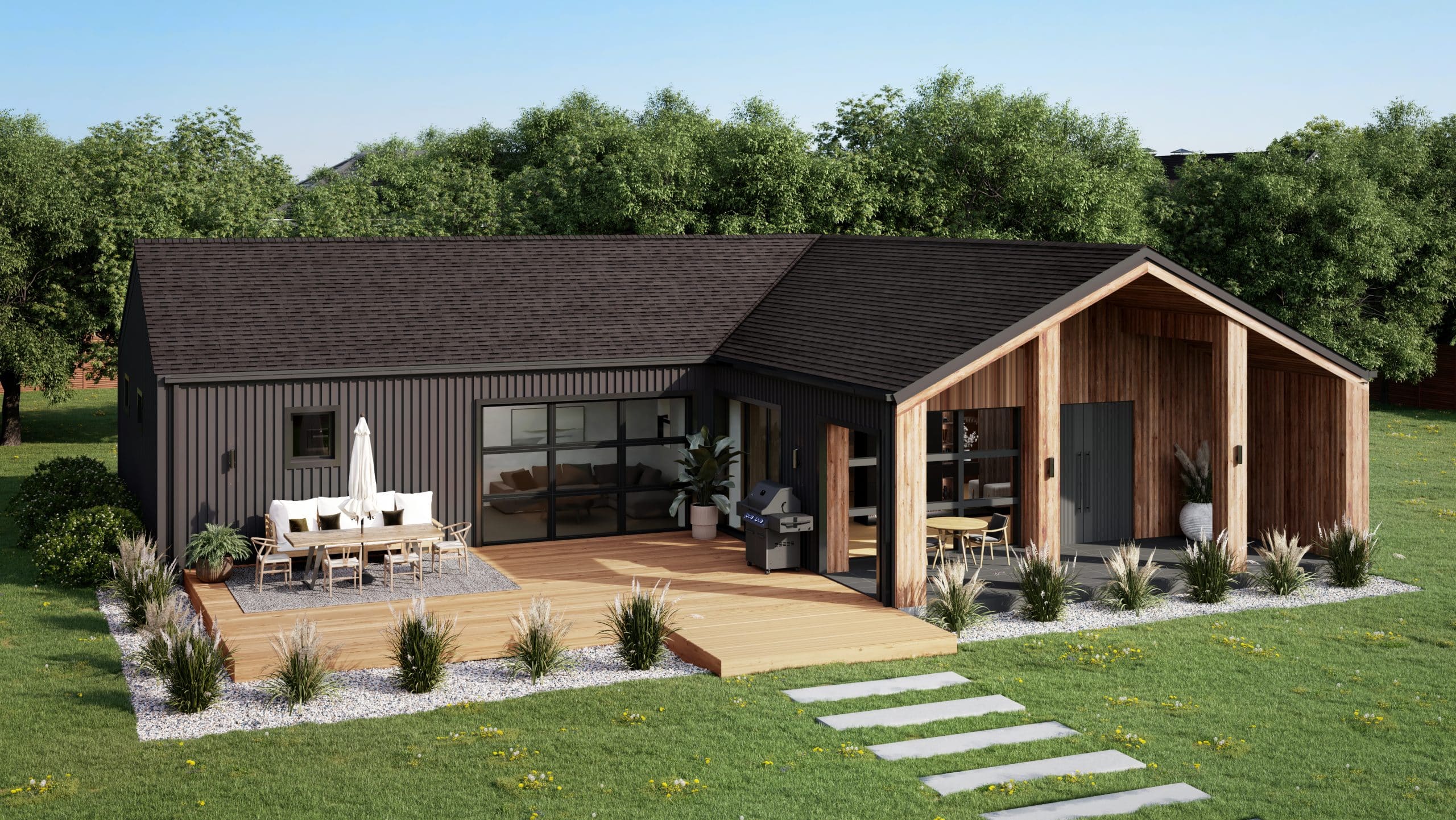
Photo courtesy of BP Canada
Steeling up against fire
Gardenits notes that wildfire risk is reshaping expectations in parts of the country.
“When you look at the Interior of B.C., those areas have seen major forest fires over the last few years. Insurance companies are asking whether metal is a sustainable, fire resistant option. Nothing is fireproof, but metal can help a structure stay standing.”
He points to a recent example in Jasper: a four unit condo complex where only one unit had been updated with new metal siding and a metal roof. “After the fire, that was the only unit still standing,” he says.
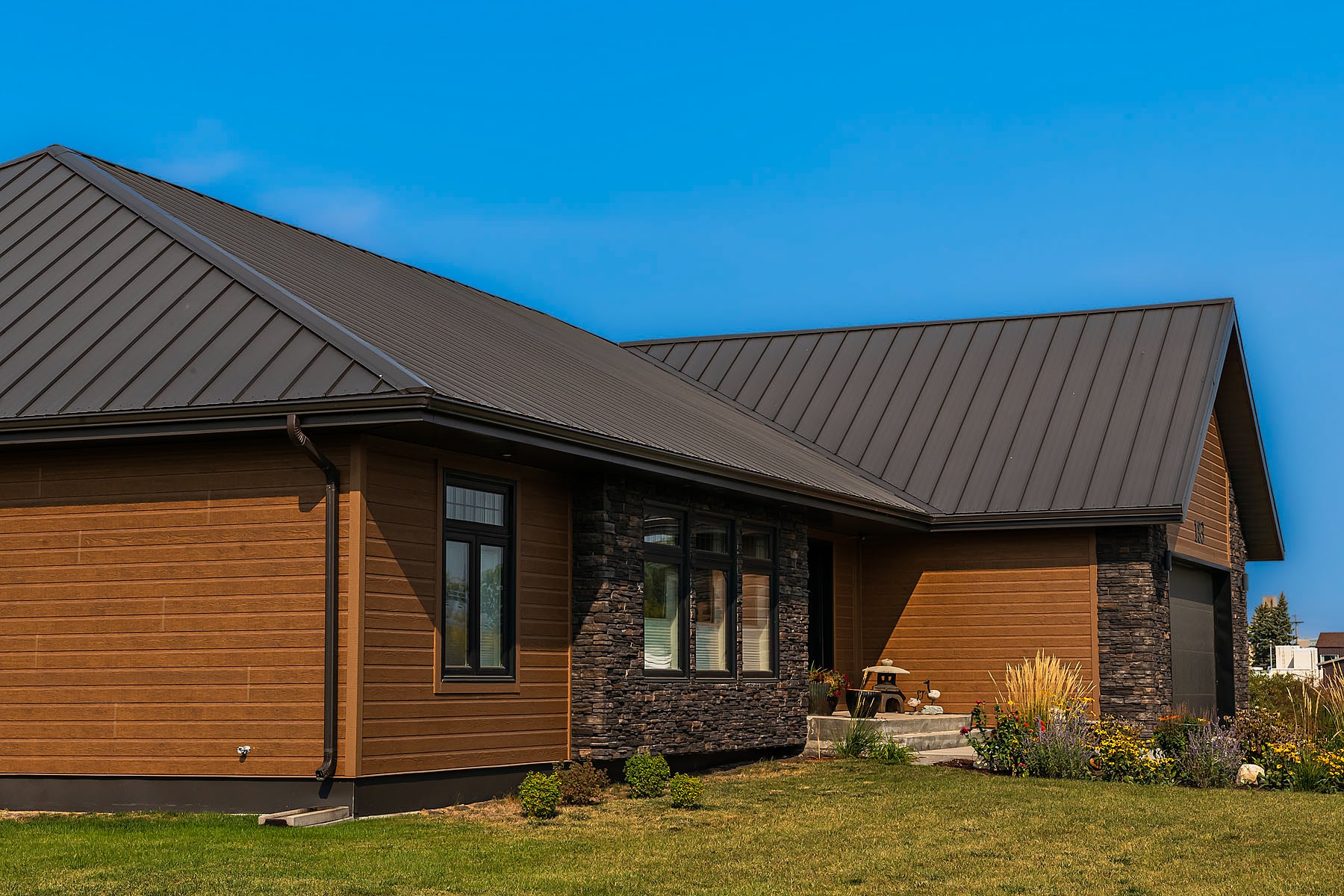
Photo courtesy of Ideal Roofing
Rocchio echoes this sentiment, saying some insurers are beginning to “nudge” homeowners toward metal roofing to reduce risk: “They’re having clients explore metal as an option because it’s risk mitigation; for the insurance companies and for the homeowner,” he explains.
Allstate Canada, for instance, offers a “Superior Roofing” benefit for homeowners that includes a premium discount for metal, rubber or tile roofs, and even waives deductibles for weather‑related losses when a home has a qualifying roof. The company also provides up to $2,500 toward upgrading to more resilient roofing materials after a weather‑related claim. The company isn’t alone; other insurers offer similar incentives, with many providing 5 to 15% discounts, and in some cases up to 35%, for metal or impact resistant roofing.
Form meets function: aesthetics that work
Performance is so essential today that it tops every decision homeowners and builders make around the roof that its aesthetic naturally emerge from the materials and features selected.
“Homeowners and designers want aesthetic appeal without compromising quality,” McPhail reminds, suggesting that quality today means long term value, durability and products that stand up to harsher weather without driving up lifecycle costs.
That’s not to say people aren’t also looking for something that wows the neighbours and turns heads.
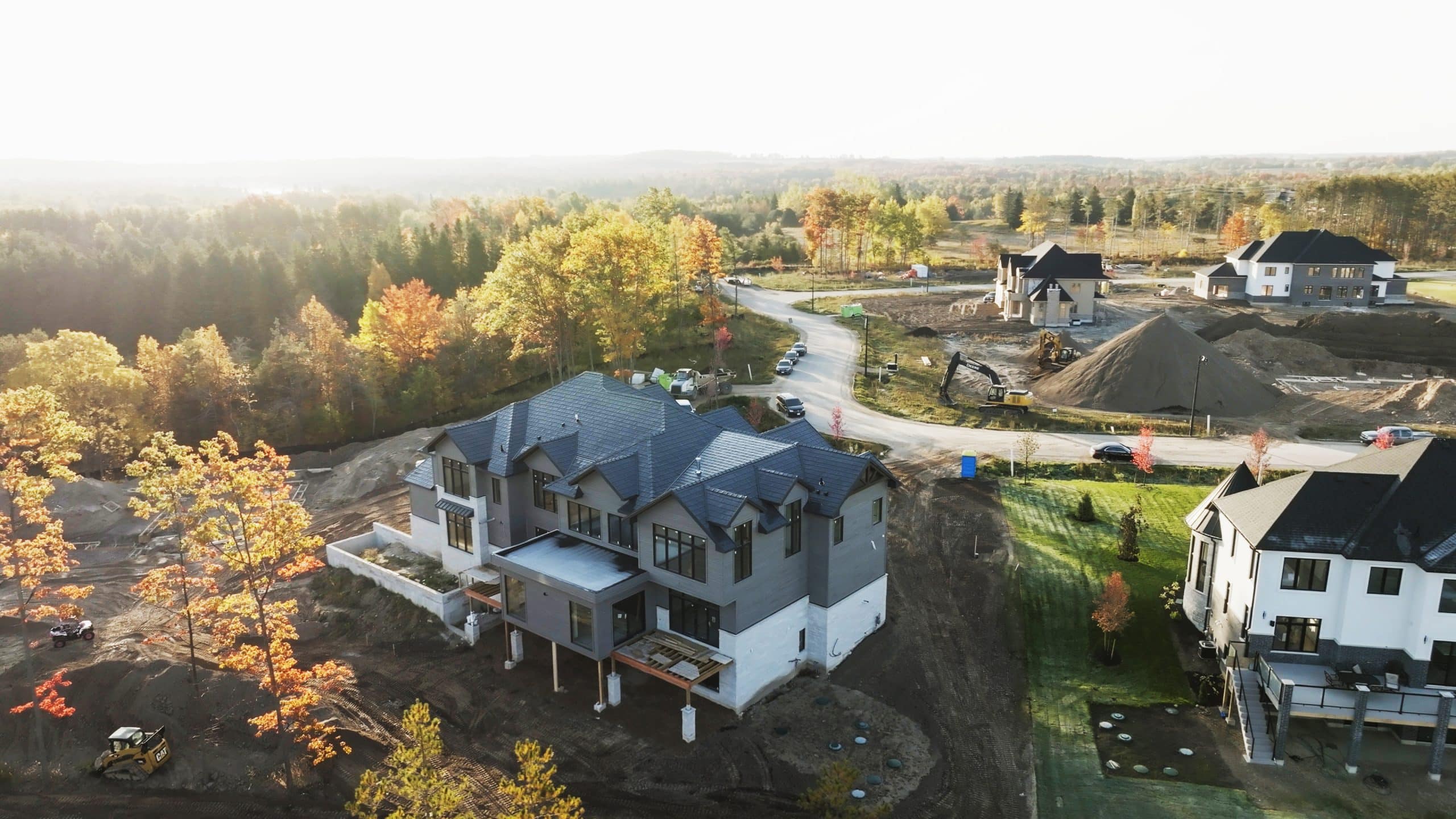
Photo courtesy of Vicwest
Warm tones, depth and character
McPhail says dark matte finishes are still very much in vogue, but he’s seeing the palette evolve and grow earthier. “Homeowners and designers are still gravitating toward sophisticated, low-gloss looks, but there’s growing interest and appeal for warmer tones, earth-inspired palettes, and metallic-inspired finishes that add depth and architectural character.” He says this more curated, design-forward trend is a timeless one that steel is known for.
That shift is being echoed in the asphalt world as well. Gottesman says aesthetic trends are “definitely evolving” with a pull towards calm, “nature-inspired” designs.
“Rather than high-contrast or overly bold selections, we’re seeing increased demand for organic palettes that feel timeless and integrated with the home’s exterior environment.
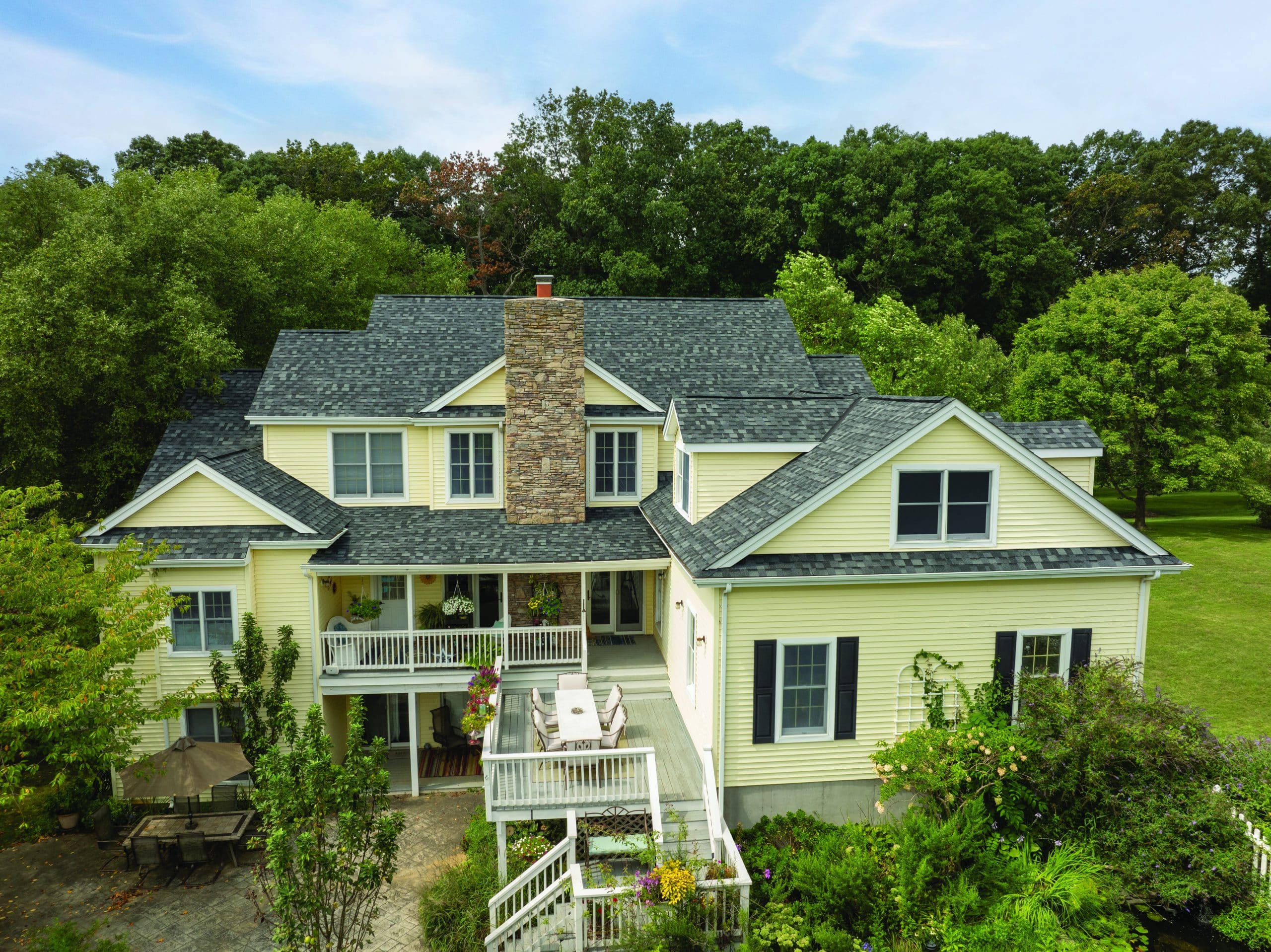
Photo courtesy of IKO NORTH AMERICA
Nature inspired palettes
Earthy tones, soft greys, stone-inspired hues, wood-like shades and deep blacks are all gaining traction as homeowners look for balance and restraint in exterior design.”
He adds that natural browns like his company’s Olde Style Weatherwood and fresher greys like its Frostone Grey are gaining traction alongside classics like Granite Black. Cohesion, he continues, is the name of the game, with roofing being viewed as part of a full exterior composition that includes stone, brick, wood siding and natural textures.
Saint-Gobain is seeing the same shift with a twist, St-Cyr says. Dark and copper-toned colours are still popular choices that present a sophisticated style, but he also seeing growing interest in cream whites that boast “bright, warm tones that feel timeless and welcoming.”
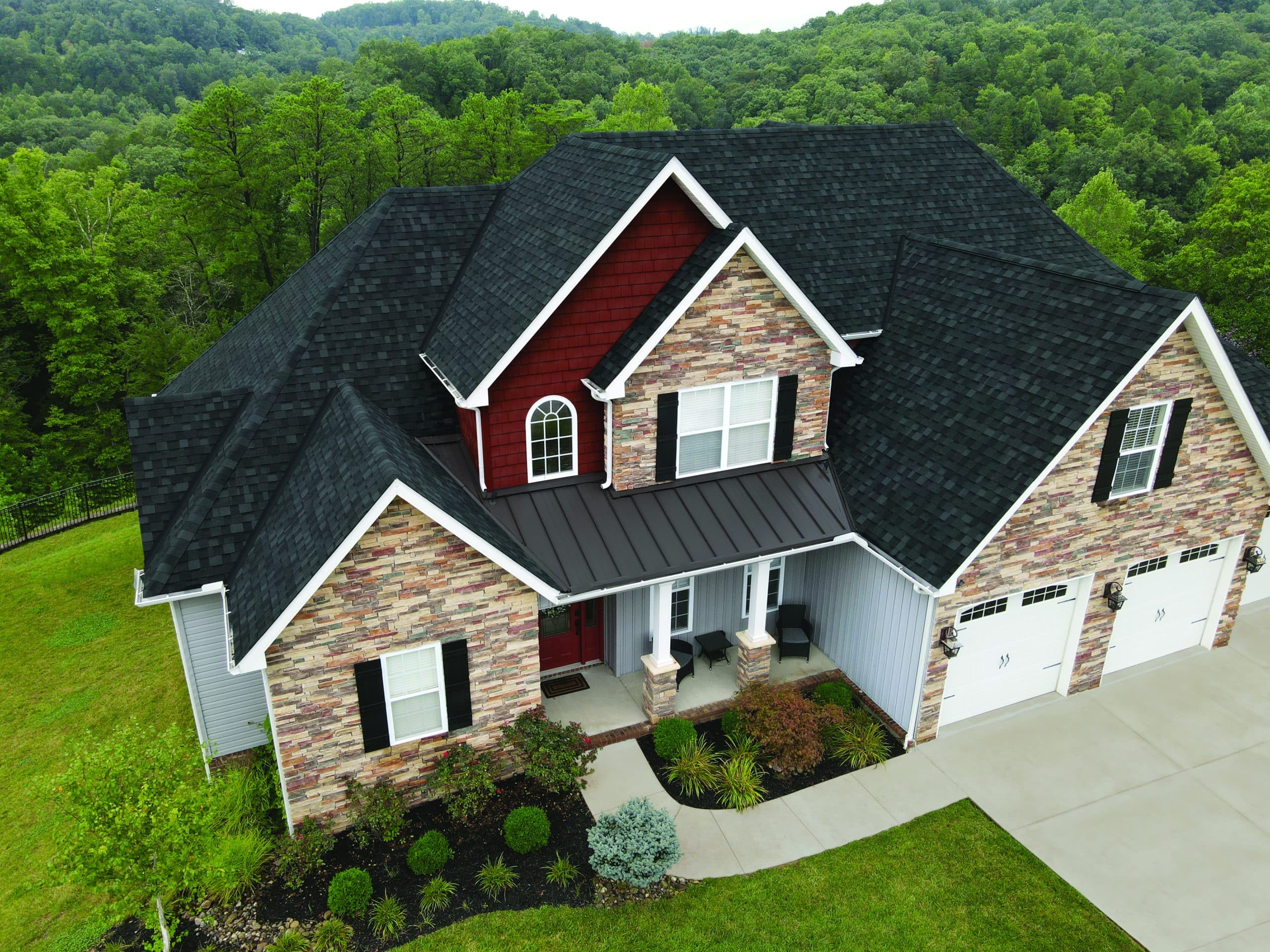
Wood grains and dual tones
Rocchio says the natural look is finding a home in metal roofing aesthetics thanks to innovations in wood grain prints and dual tones, like those found in his company’s Galanta series.
“Typically, metal would be standard colours and maybe some minute differences or metallics. But now, the prints have really evolved significantly so the detail that’s coming out from the coil is quite rich and we’re able to mimic a lot of patterns that may never have been seen before with the longevity of metal.”
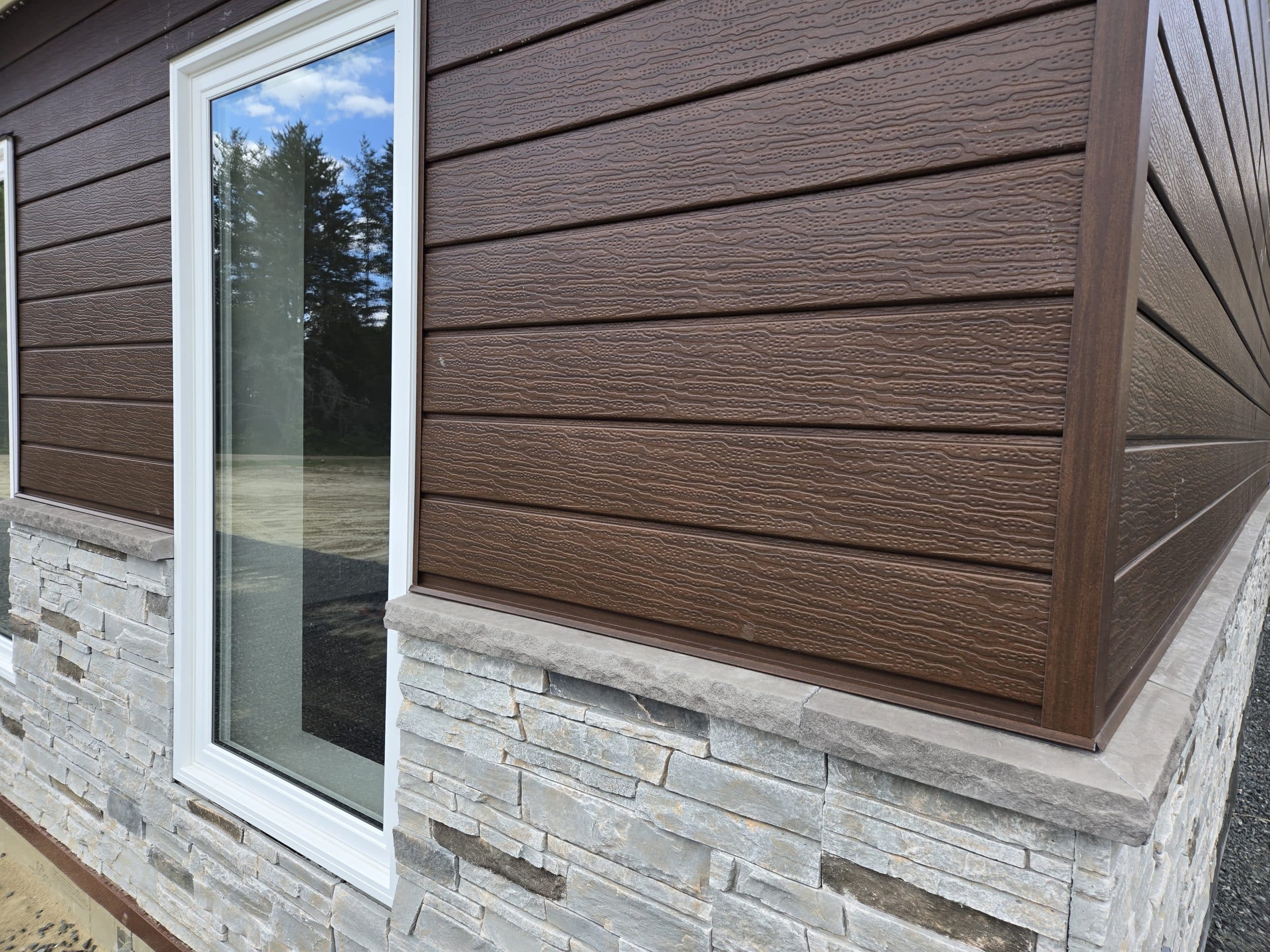
Photo courtesy of Ideal Roofing
Innovations in roofing
Performance, aesthetics and sustainability converge at one busy intersection: innovation, which is shaping the world of roofing and exterior design. It isn’t necessarily about new profiles or panel types.
Gardenits notes that, in steel roofing, innovation around how the product is rolled out and properly coated is what separates the wheat from the chaff. “You’re seeing the main suppliers now using proper steel, not just the right gauge, but proper metallic coating like AZ150, which is what really stops it from rusting.”
“It’s not the paint; the paint is just the pretty stuff. The paint systems help with fade protection, but the long term performance comes from the metallic coating,” he explains, adding that it’s worth the generally extremely marginal cost to ensure you have high-quality product. With cheaper product, he says, “Day one it all looks shiny and brand new, but the long term performance isn’t there. Innovation, to me, is getting better raw material from our suppliers to ensure long term performance.”
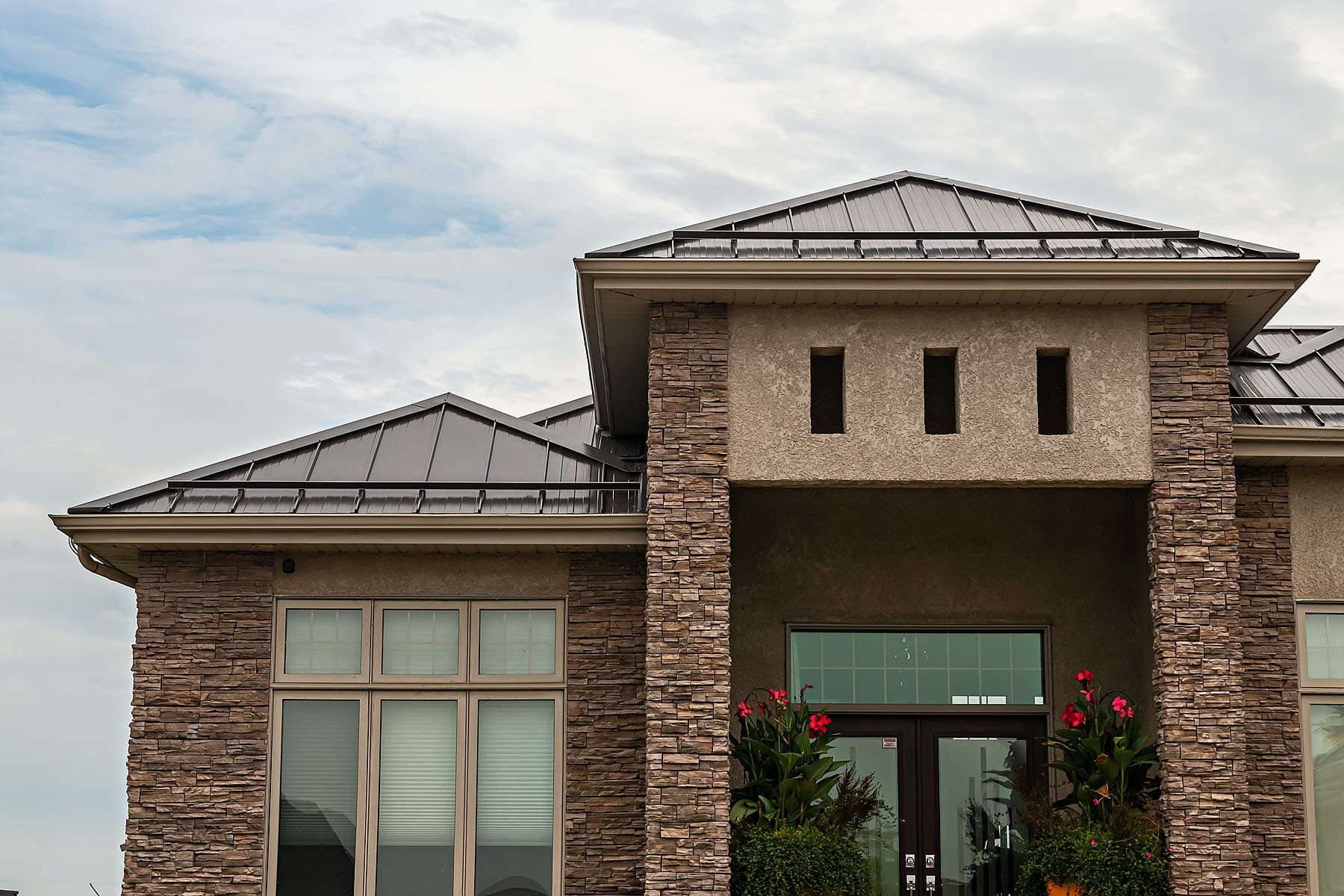
Photo courtesy of Westman Steel
Economics and environment converge
Sustainability remains a critical factor in roofing choices, but suppliers say it’s increasingly being understood through the lens of long-term performance. Rather than explicitly asking for a “sustainable” roof, homeowners typically request roofing systems that lasts, keeps costs down over time, and doesn’t end up in a landfill.
This is where Gardenits suggests an investment in steel roofing pays off, noting that longevity and recyclability are central to both environmental and financial sustainability. “Steel is 100% recyclable,” he says, pointing to the long-term thinking driving some homeowners toward the material. “So, you know it’s not going to end up in a landfill for your grandkids. And secondly, it’s going to be remade into another steel product.”
He adds that pricing, lifetime cost and availability are all essential pieces of the sustainability puzzle.
Rocchio says homeowners are seeking this longevity and circular economics in roofing systems, not just to reduce waste, but to avoid the headache of an early replacement. “They want a product to last a long time,” he says. “If there’s a slight increase in project cost, but they don’t have to go through the hassle of redoing it in 15 years, that’s worth the investment to them.”
He circles back to the link between performance and sustainability, noting that, “In Canada we sometimes have four seasons in one day and all gamut of extreme weather, and that’s what’s causing people looking at permanent products.”
McPhail says sustainability expectations continued to rise into 2026. “Homeowners, builders and specifiers are increasingly looking for products that support lower carbon, longer service life, and recyclability,” he says, noting his company’s own environmental commitment. “Through Vicwest’s Planet Passionate strategy, we’re continuing to advance initiatives that reduce environmental impact across our operations and product lifecycle, while also helping our customers meet their own sustainability goals.”
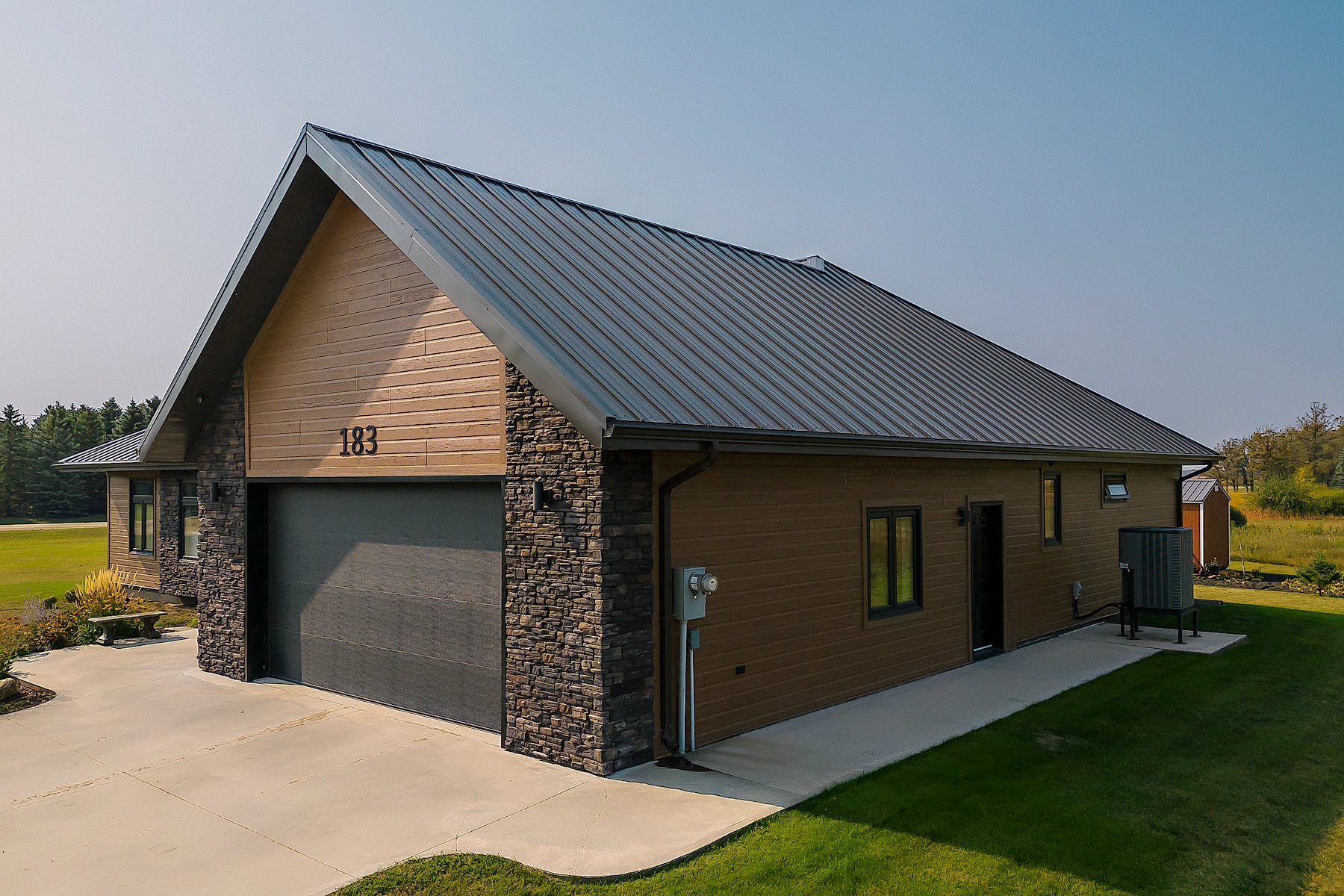
Photo courtesy of Westman Steel
Asphalt advances
Innovation in asphalt manufacturing, too, is producing stronger, more resilient shingles and advancing waste reduction.
St-Cyr explains that lifecycle impact, particularly the manufacturing footprint, is an important environmental consideration. To that end he notes, “Asphalt shingles have the lowest carbon footprint of all residential roofing product types,” adding that all shingles from Saint-Gobain will have EPDs (environmental product declarations) by the end of 2026.
IKO has recently introduced its IKO Beyond sustainability program designed to reduce impact across the entire value chain, Gottesman says — from sourcing and operations to distribution, installation, product use, and end-of-life. “Beyond reflects how IKO has always approached our business and we continue to build on that foundation by investing in technologies and processes that reduce waste and improve material efficiency.”
He adds that the company’s Hagerstown, Maryland, plant uses systems to recover and reuse in-plant product waste, and IKO is producing in-line asphalt shingles that reintegrate recycled materials into production, reducing the need for virgin raw materials and diverting waste.
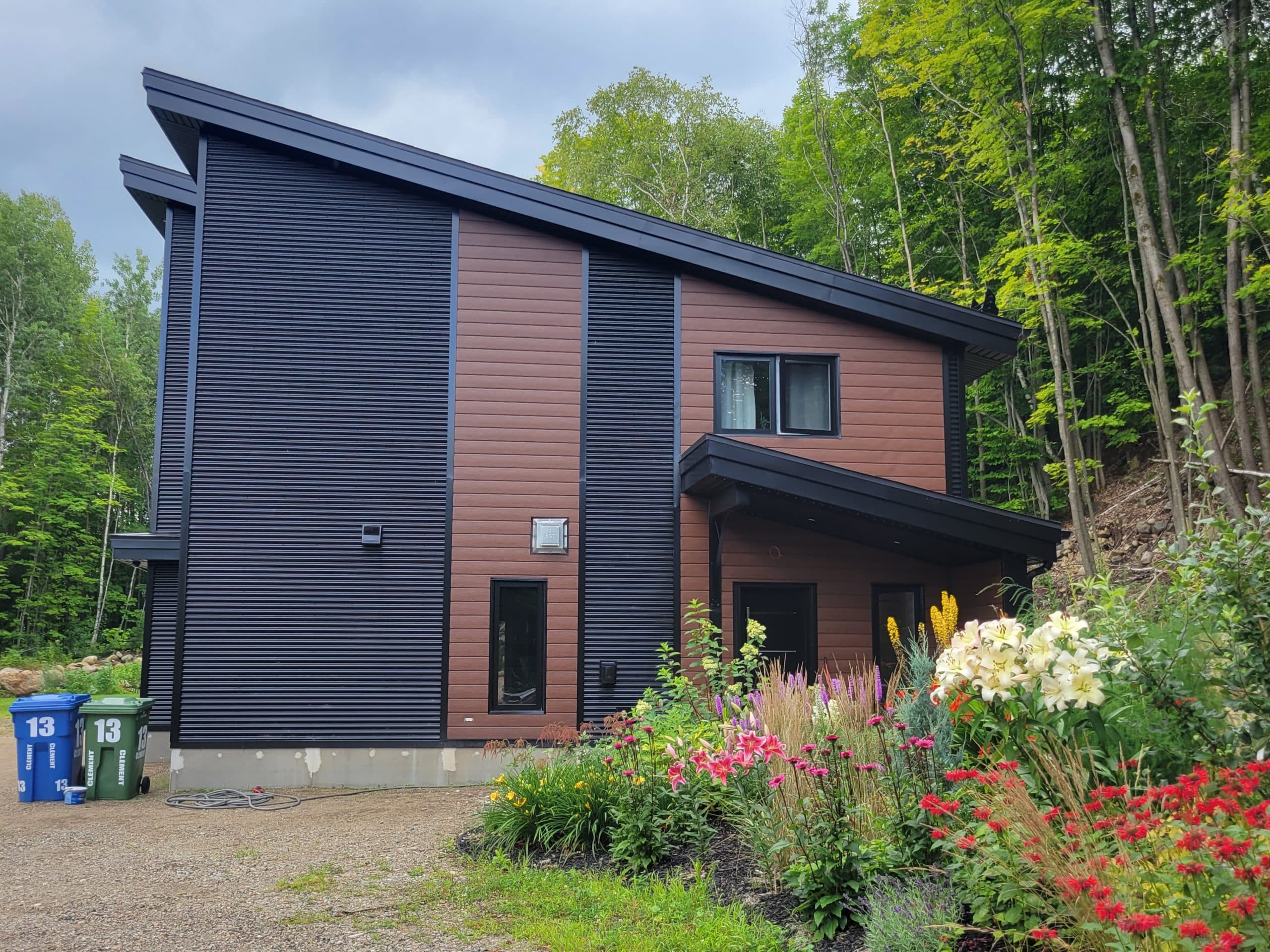
Photo courtesy of Ideal Roofing
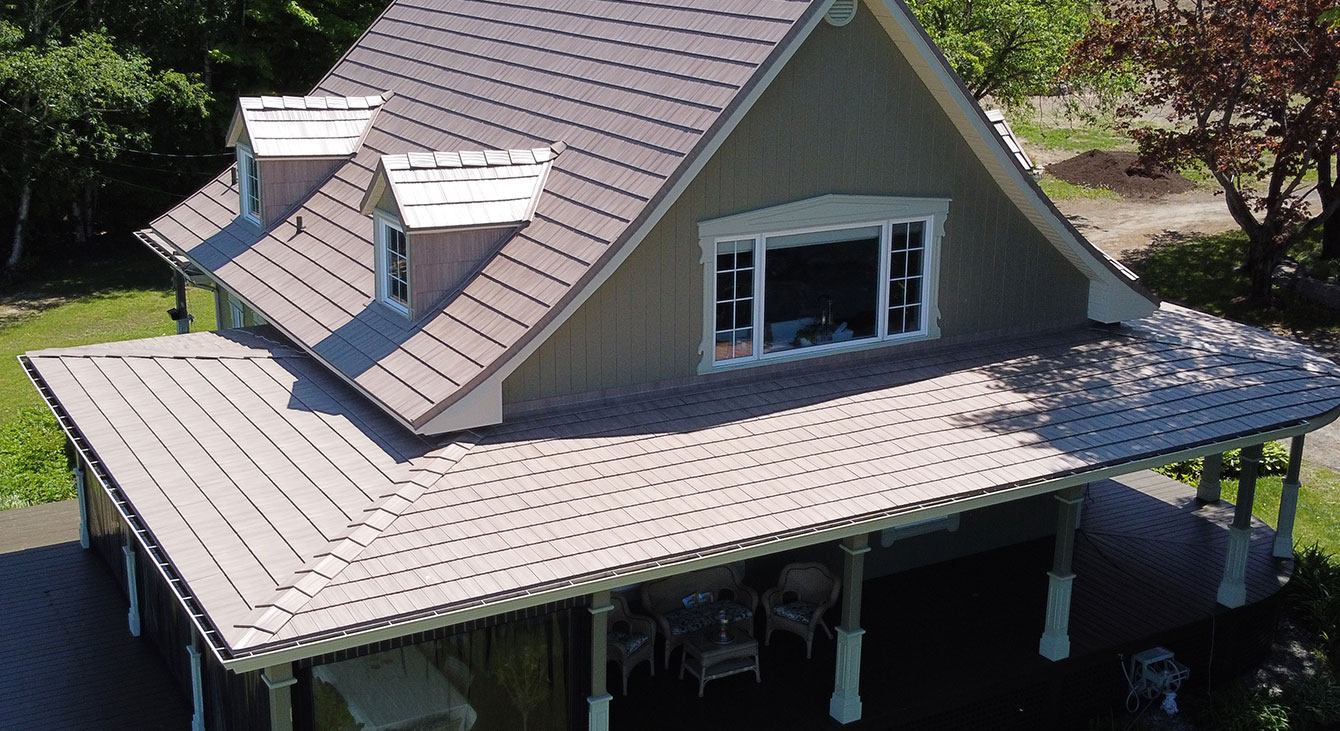
Photo courtesy of Vicwest
Making installation faster and smarter
Production and end of life aren’t the only places roofing innovation is cutting waste. McPhail says panel systems that install faster serve both contractors and the environment by requiring fewer trips up the roof and, importantly, reducing material waste during installation.
He says installation-related innovations have come alongside those to performance. “Advances in coating systems are improving colour retention and long-term protection, while panel profiles and interlocking designs are becoming more installer-friendly, helping reduce labour time and increase consistency on site.” Good news for roofing contractors trying to grow business while faced with industry-wide labour shortages.
Outside of direct installation, technology is playing another important role for roofers: Gottesman says that today digital tools, software platforms and AI are rapidly transforming roofing by simplifying workflows, improving project planning and boosting contractors’ sales capacity.
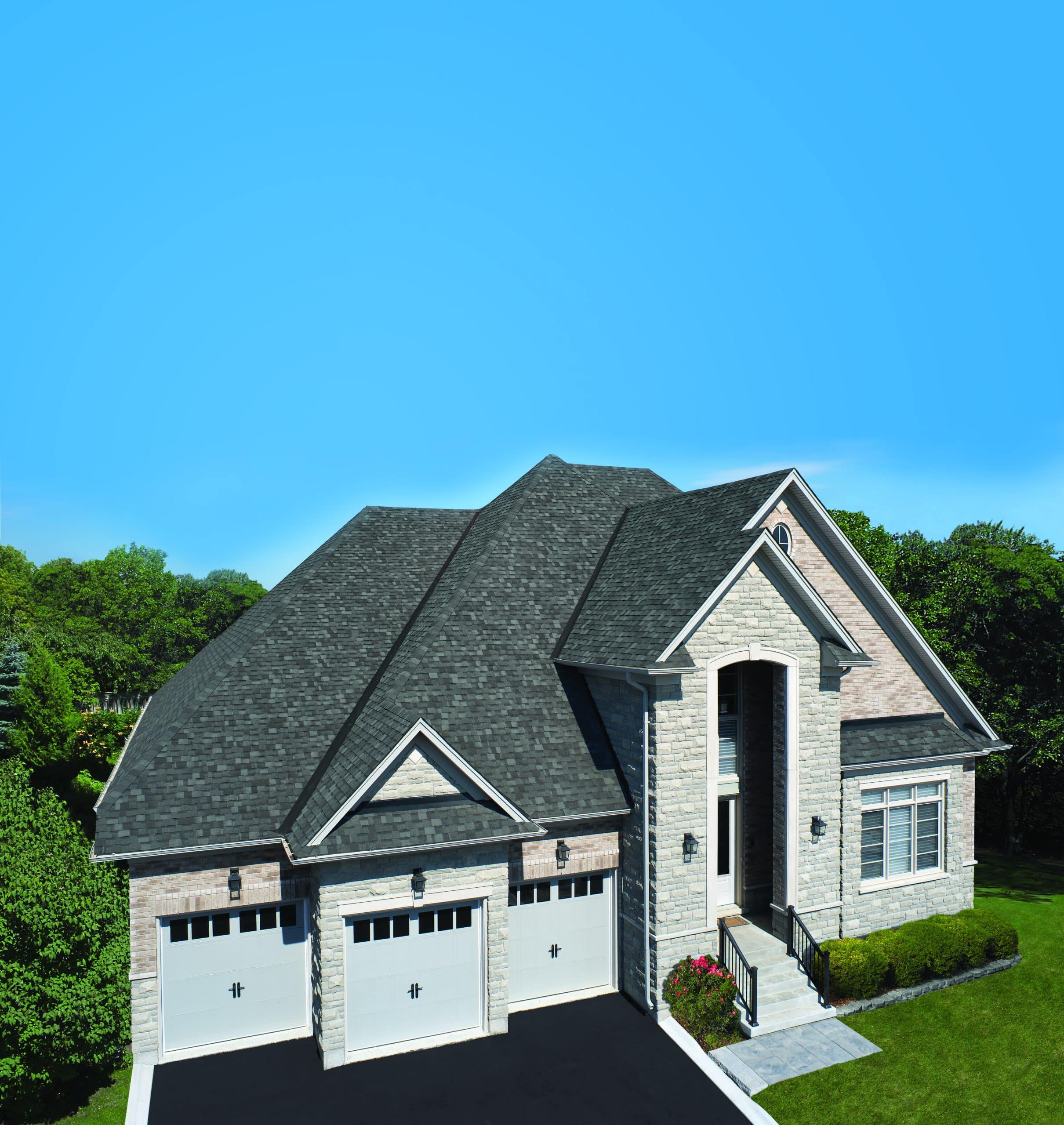
Photo courtesy of IKO NORTH AMERICA